Why Loosening Your Grip on the Reins Often Improves Control More Than Holding Tighter
A nervous rider’s instinct when a horse feels unresponsive is to grip the reins tighter, expecting more force to translate into more control, but a horse’s mouth reads sustained pressure as something to lean into and push against, not as a clearer instruction.

Why Horses Read Sustained Tension as Pressure to Push Against
The read: a-horse-interprets-constant-steady-rein-tension-as-an-ongoing-pressure-to-brace-against-and-push-through-rather-than-as-a-specific-directional-cue (a horse interpreting constant, steady rein tension as an ongoing pressure to physically brace against and push through with its own neck muscles, rather than as any specific directional cue at all, per the horseback-riding-seat-posture-guide logic — a-horse-interpreting-constant-steady-rein-tension-as-an-ongoing-pressure-to-physically-brace-against-and-push-through-with-its-own-neck-muscles-rather-than-as-any-specific-directional-cue), and the reframe (steady force reading as an invitation to resist rather than as a message)).

Why Gripping Tighter Under Stress Escalates That Resistance
The escalation: a-riders-instinct-to-grip-harder-when-a-horse-feels-unresponsive-increases-the-very-tension-the-horse-is-already-bracing-against-creating-a-feedback-loop-of-mutual-resistance (a rider’s instinct to grip harder specifically when a horse feels unresponsive increasing the very same tension the horse is already bracing against, creating a feedback loop of mutual, escalating resistance between both, per the first-riding-lessons-guide logic — a-riders-instinct-to-grip-harder-specifically-when-a-horse-feels-unresponsive-increasing-the-very-same-tension-the-horse-is-already-bracing-against-creating-a-feedback-loop-of-mutual-escalating-resistance), and the frame (the corrective response reinforcing the exact problem it’s meant to solve)).
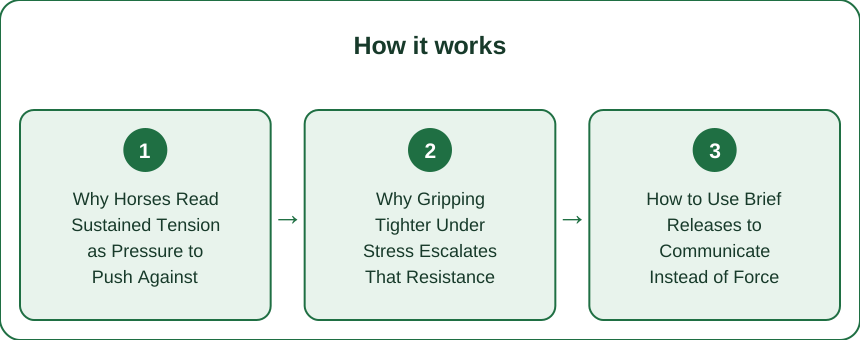
How to Use Brief Releases to Communicate Instead of Force
The technique: apply-a-brief-clear-rein-cue-and-then-release-tension-immediately-once-the-horse-responds-rather-than-maintaining-constant-pressure-throughout (applying a brief, clear rein cue and then releasing tension immediately and noticeably once the horse actually responds, rather than maintaining constant pressure straight through the entire movement, per the horse-groundwork-bonding-guide logic — applying-a-brief-clear-rein-cue-and-then-releasing-tension-immediately-and-noticeably-once-the-horse-actually-responds-rather-than-maintaining-constant-pressure-straight-through-the-entire-movement), and the frame (release, not continued force, being the signal that actually communicates)).
A horse interprets constant, steady rein tension as an ongoing pressure to brace against and push through with its own neck muscles rather than as a directional cue, so a rider’s instinct to grip harder when a horse feels unresponsive only increases the tension the horse is already resisting. Applying a brief, clear cue and then releasing tension immediately once the horse responds treats release itself as the signal, breaking the feedback loop that constant gripping quietly reinforces.
Keep Reading
This article is for general informational and styling purposes only. Fit, sizing, and product availability may vary.