Saddle and Stride: Horseback Riding for Beginner Women (Yes, as an Adult)
Somewhere on the list of things you assumed had an age cutoff sits horseback riding — filed alongside ballet and gymnastics as childhood doors that closed. File incorrectly: adult beginner riders are one of the equestrian world’s fastest-growing populations, lesson barns run adult programs precisely for the women who always wanted to, and the learning curve is gentler (and the horses more patient) than the intimidation suggests. Riding delivers a genuinely unique package — full-body fitness, outdoor time, skill progression and a thousand-pound relationship. Here is the honest adult-beginner guide.
The Adult Beginner Reality (Better Than You Fear)
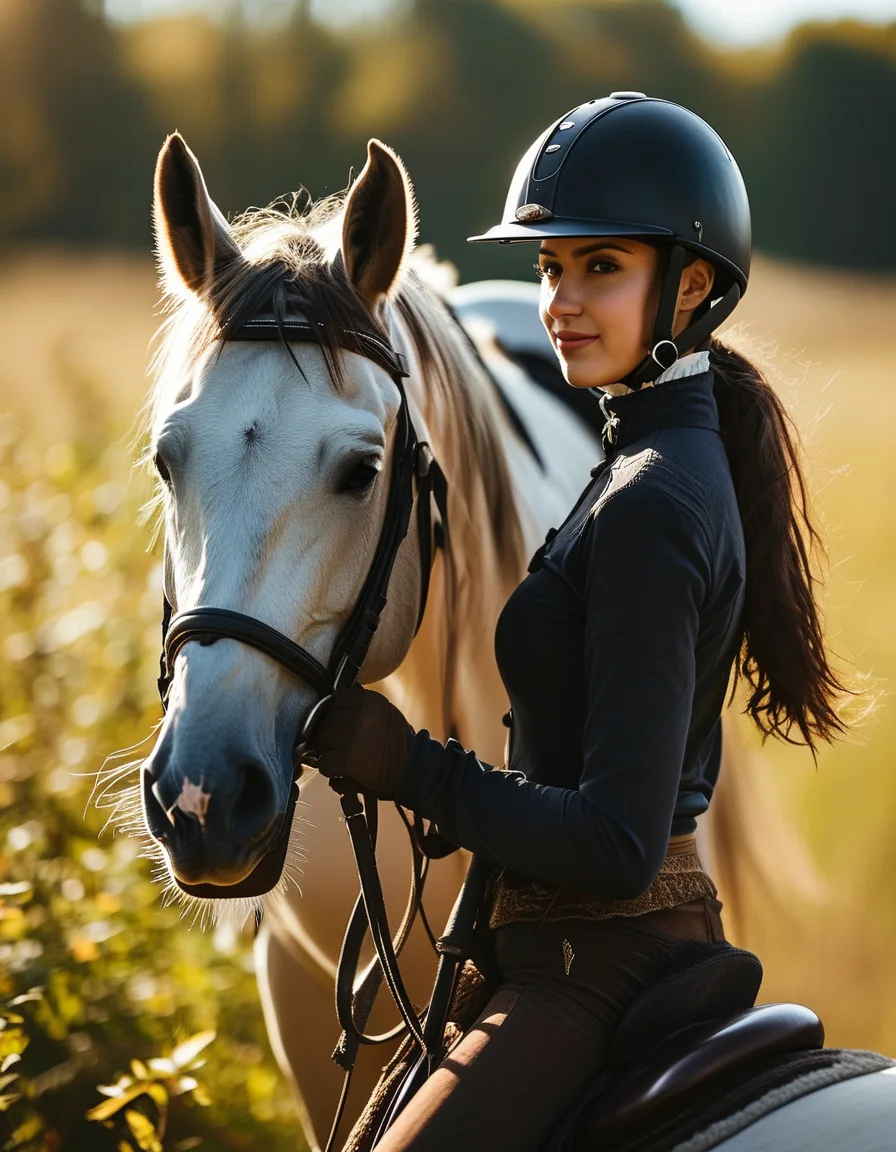
The recalibration first: adult beginners learn differently than the fearless eight-year-olds — more analysis, more caution, and (the instructors’ consistent observation) faster technical comprehension paired with slower trust-release; lesson barns know this and run adult-specific programs with patient school horses selected for exactly this clientele (the schoolmaster horse — older, unflappable, professionally tolerant of nervous hands — is the unsung teacher of the whole industry), the fitness prerequisites are modest (if you can climb stairs and get off the floor, you can start — riding builds its own fitness from there), and the fear is normal, respected and workable (barns teach nervous adults weekly; naming it to your instructor is standard practice, not confession). The one non-negotiable: a certified helmet from lesson one, provided by any legitimate barn. Age is not the barrier. The phone call to book the first lesson is.
What Riding Does to Your Body (the Stealth Workout)
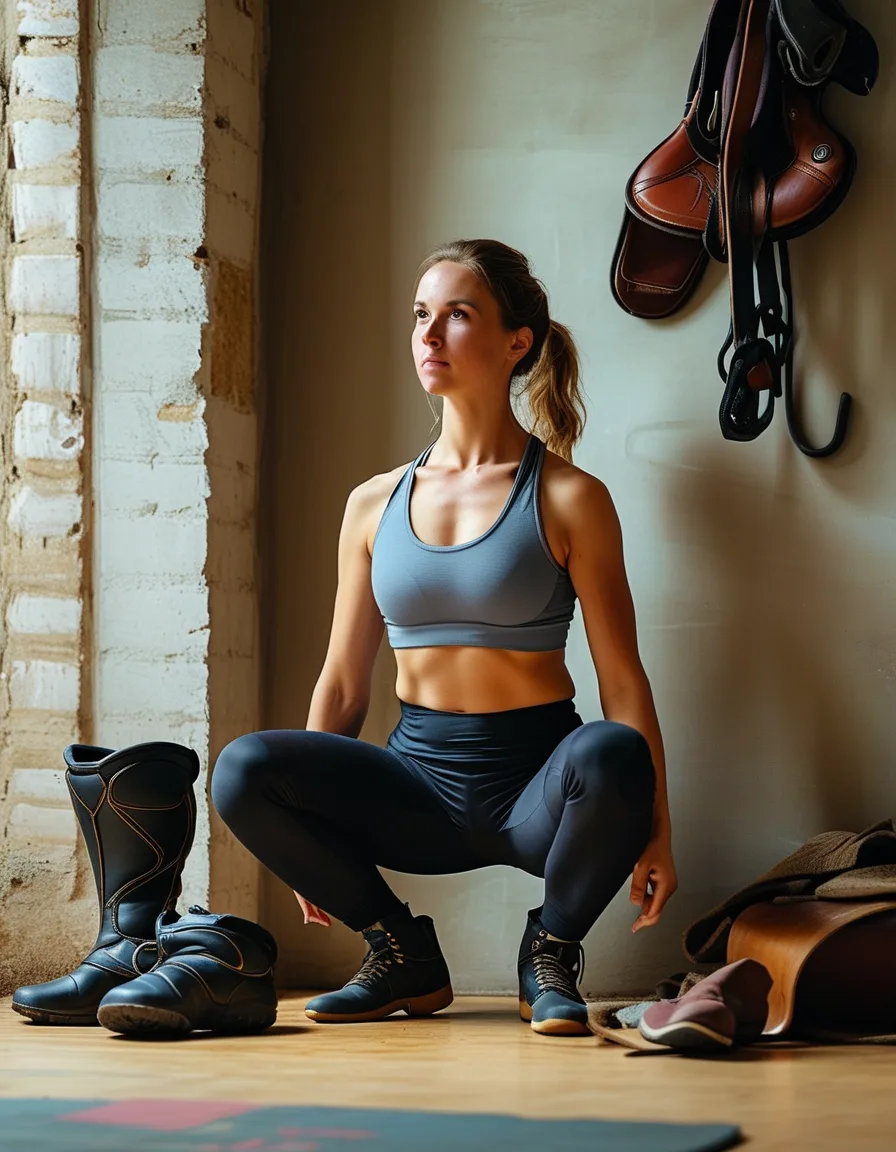
The fitness case riders undersell: riding is core work in disguise (balance atop a moving animal recruits deep core and postural muscles continuously — the day-after soreness map surprises every gym-fit beginner), the legs work isometrically (inner thighs and glutes hold and communicate — the muscles-you-forgot inventory), posture training is structural to the sport (the riding position is essentially loaded posture practice: shoulders back, spine tall, held for the hour), and the walk-trot-canter progression scales intensity (posting trot — rising and sitting rhythmically — is legitimate cardio; a trot-heavy lesson rivals a gym session), plus the barn labor bonus: grooming, tacking and leading add functional activity before the saddle. Research on therapeutic riding documents the balance-and-core effects clinically. The horse, meanwhile, believes you are merely sitting there. Let it.
The Costs, Honestly (and How to Ride Affordably)
The money conversation the sport avoids: lessons run $50–90 per group hour ($70–120 private) at most US barns — the meaningful but bounded cost of the hobby’s lesson phase (weekly lessons: roughly $200–350 monthly, comparable to boutique fitness), the gear entry is modest (helmet $60–120 if you outgrow loaners, boots with a small heel $50–100, and stretchy pants suffice until you want real breeches — the head-to-toe start under $250), and the cost cliff everyone fears — horse ownership — is entirely optional and years away if ever (leasing programs let you part-time a horse for a fraction of ownership; lesson-and-lease riders constitute a huge share of happy adult equestrians permanently). The affordability tactics: group lessons over private after the basics, barn volunteer programs (working students of all ages trade labor for saddle time at many barns), and the college-town and rural barn price advantage for the geographically flexible. The sport can be run as a $250-a-month hobby with $0 of horse ownership. The Pinterest version costs more. The riding does not.
The First Lessons (What Actually Happens)
The demystified curriculum: lesson one is mostly ground school (meeting your horse, leading, grooming, tacking basics — the barn teaching you the animal before the athletics; the nervous-system acclimation is the point, not filler), mounting and walk work (position fundamentals: heels down, eyes up, the reins-are-not-handlebars revelation), lessons two through ten build the walk-trot foundation (steering, transitions, the posting-trot coordination puzzle that clicks somewhere around lesson four-to-six and feels like a genuine achievement because it is), and the canter arrives when balance earns it (weeks-to-months, instructor-judged — the adult-beginner timeline runs slower than kids’ and arrives at the same place). The honest physical notes: you will be sore in novel places (the inner-thigh-and-core map), the horse can feel your tension and mirrors it (the biofeedback nobody warns you about — riding teaches nervous-system regulation as a side effect), and the fear-to-trust transition happens gradually then suddenly, usually on the day you realize the whole lesson passed without thinking about falling. Riders remember that lesson number for years.
The Horse Effect (What Keeps Adult Riders Coming)
The retention mystery, explained: the research on equine-assisted programs keeps documenting what riders report anecdotally — time with horses lowers stress markers and teaches emotional regulation (horses are 1,200-pound biofeedback machines: they respond to your calm by calming, and the skill generalizes), the barn is a phone-free zone by physical necessity (two hours of enforced presence per visit — the digital detox arriving as a side effect of needing both hands), the progression ladder never ends (walk-trot-canter opens into flatwork refinement, trail riding, low jumps, dressage — a decade of learnable next-things at every ambition level), and the community skews notably female and welcomingly multigenerational (the adult-beginner cohort at most barns is women 30–60, plus the horse-wise teenagers and the seventy-year-old who still out-rides everyone — a social ecosystem unlike any gym). The horse does not know your job title, your inbox count or your age of starting. It knows whether your hands are kind and your breathing is steady — and teaching you both is what the whole beautiful expensive wonderful sport was actually selling. The riding is almost the bonus.
Horseback riding, adult-beginner edition: barns run programs built exactly for you, the fitness is real and sneaky, the costs are bounded and manageable at the lesson-and-lease tier, the curriculum starts on the ground, and the horse-human effect is the documented magic that keeps the barn lot full of grown women’s cars every Saturday. Book the intro lesson at a certified barn this month — helmet provided, patience included, age irrelevant. The door never actually closed. It was just waiting for you to call.
Keep Reading
This article is for general informational and styling purposes only. Fit, sizing, and product availability may vary.