Why New Riders Grip the Reins With Their Hands When the Real Signal Should Come From Their Legs
It’s an almost universal beginner instinct to grip the reins tightly and use the hands for balance and control, but a horse actually reads most of its cues from the rider’s legs and seat, which means white-knuckling the reins is communicating the opposite of what a nervous new rider intends.
Why the Hands Feel Like the Obvious Point of Control
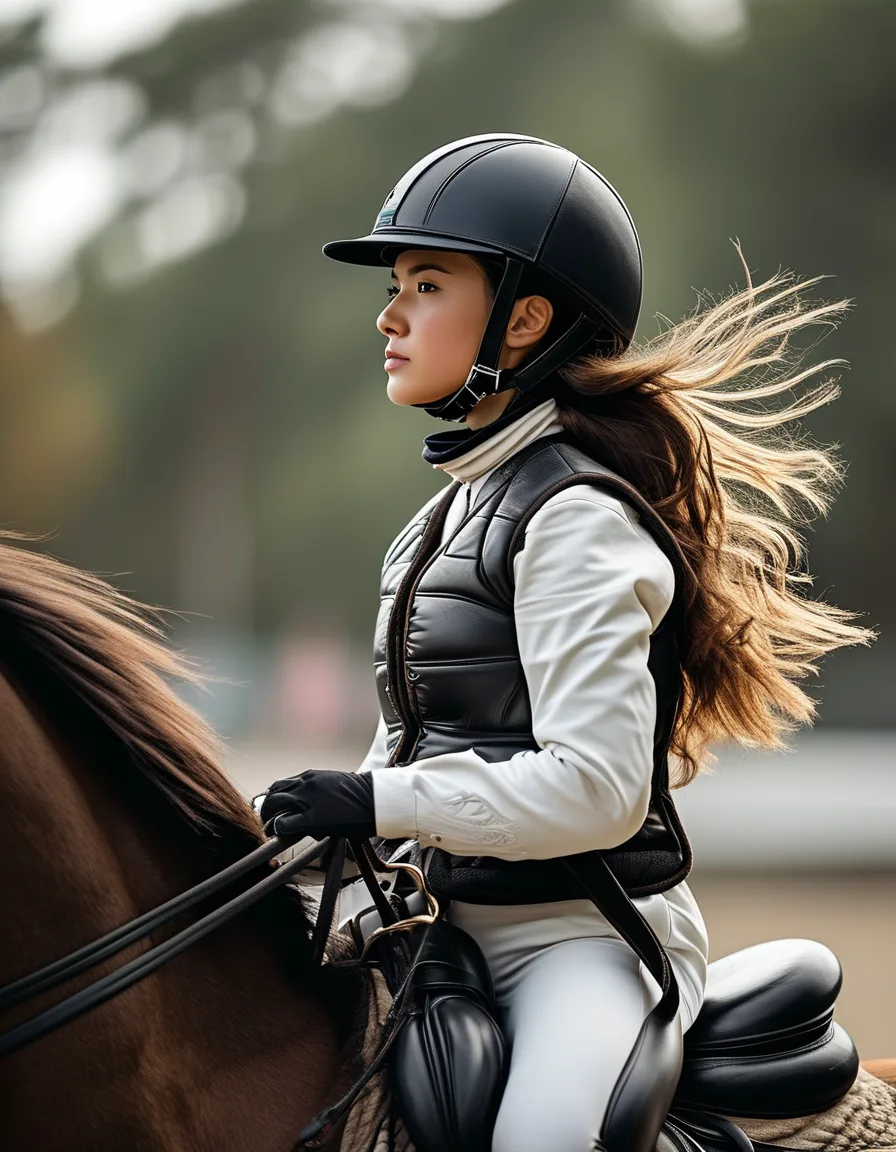
The instinct: reins being the most visible, directly-held connection to the horse, which makes gripping them tightly feel like the natural way to establish control, especially when nervous or unbalanced.
Why Horses Actually Respond Primarily to Leg and Seat Cues
The reality: a horse reading shifts in the rider’s seat weight and leg pressure as the primary signals for speed, direction, and stopping, with rein pressure meant to be a light, secondary refinement rather than the main line of communication.
What Heavy Hand Grip Actually Communicates to the Horse
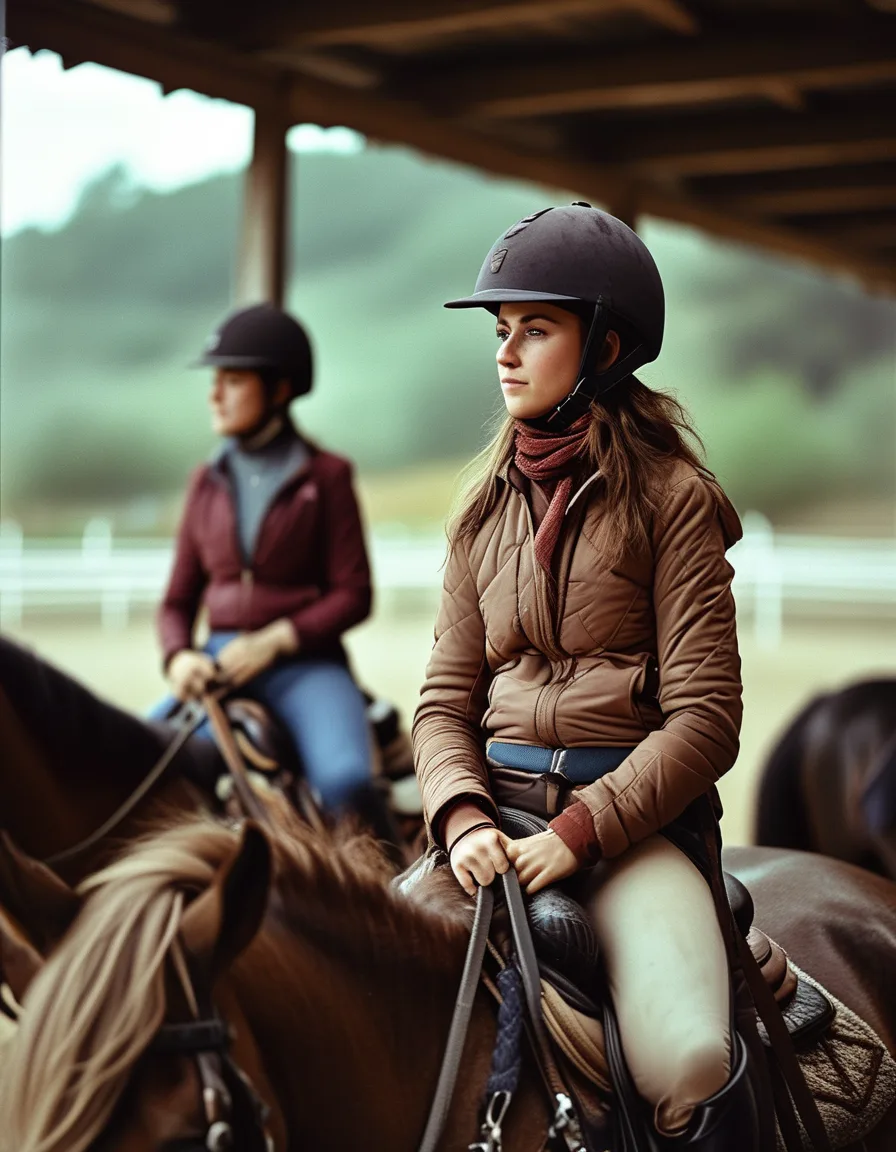
The unintended message: constant tight rein pressure often reading to the horse as ongoing tension or a request to slow or stop, which can create a confusing, conflicting signal when the rider’s legs are simultaneously asking for forward movement.
How Instructors Actually Retrain This Habit
The practical fix: many riding lessons specifically drilling exercises with reins held loosely or even dropped briefly, forcing the rider to find balance and control through seat and leg position instead of hand grip, and the frame (a horse reads seat and leg cues as its primary signals, with rein pressure meant to be light and secondary — learning to release hand tension and trust leg and seat control is what actually improves communication with the horse.)
It’s an almost universal beginner instinct to grip the reins tightly and use the hands for balance and control, but a horse actually reads most of its cues from the rider’s seat weight and leg pressure, with rein pressure meant to be a light, secondary refinement, which means white-knuckling the reins communicates the opposite of what a nervous new rider intends. Constant tight rein pressure often reads to the horse as ongoing tension or a request to slow or stop, creating a confusing, conflicting signal when the rider’s legs are simultaneously asking for forward movement, which is why many riding lessons specifically drill exercises with reins held loosely or even dropped briefly. Learning to release hand tension and find balance through seat and leg position instead is what actually improves communication with the horse, even though gripping the reins feels like the more natural point of control when nervous.
Keep Reading
This article is for general informational and styling purposes only. Fit, sizing, and product availability may vary.