7 Mistakes That Make Early Horseback Riding Lessons Harder Than They Need to Be
Quick Answer: The most common early rider mistakes are gripping with the hands instead of the legs, tensing the whole body instead of just the core, looking down at the horse instead of ahead, over-relying on the reins for balance, ignoring seat position, holding your breath during nervous moments, and skipping groundwork understanding.
You’ve had a handful of lessons, you’re trying hard, and your instructor keeps correcting the same handful of things — these seven mistakes are almost universal for new riders and all fixable with awareness.
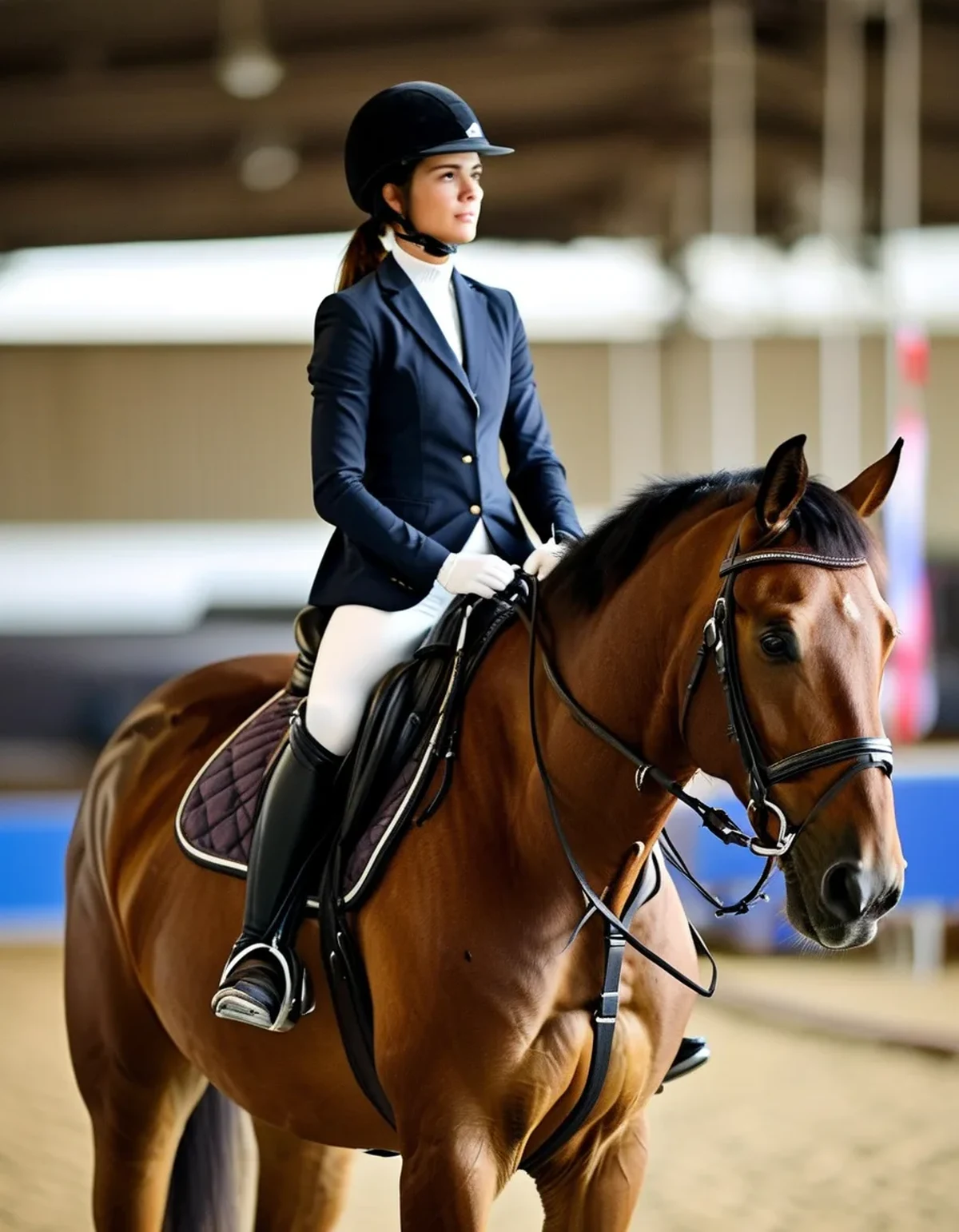
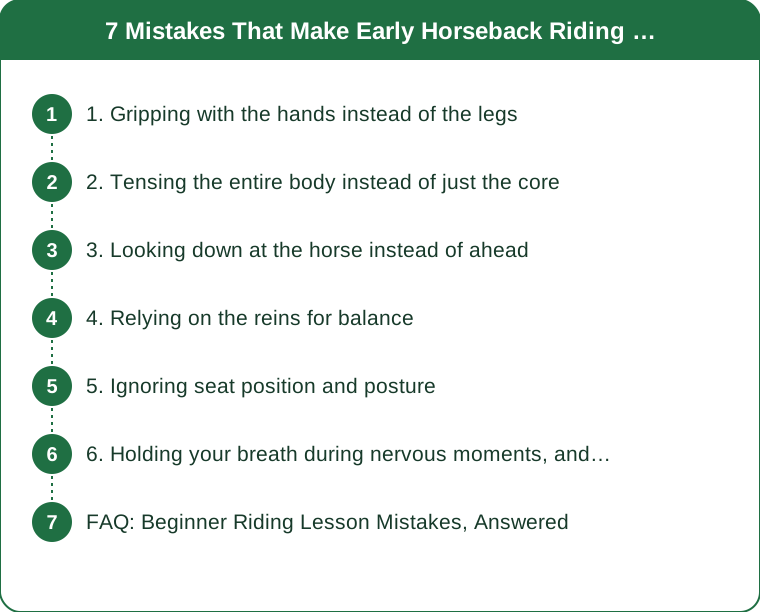
1. Gripping with the hands instead of the legs
New riders instinctively want to hold on with their hands and arms, but stability in riding comes from leg and seat contact, not grip strength in the reins. Over-gripping the reins also unintentionally signals the horse through the bit, creating confusing or unwanted cues.
2. Tensing the entire body instead of just the core
Nervousness often shows up as full-body rigidity — shoulders, arms, legs all tight — when what’s actually needed is a stable, engaged core with relaxed arms and legs that can absorb the horse’s movement rather than fighting it.
3. Looking down at the horse instead of ahead
Looking down shifts your weight and balance forward in a way the horse feels immediately, and it also limits your ability to anticipate the path ahead — looking up and ahead is one of the fastest fixes instructors give because it improves both balance and awareness at once.
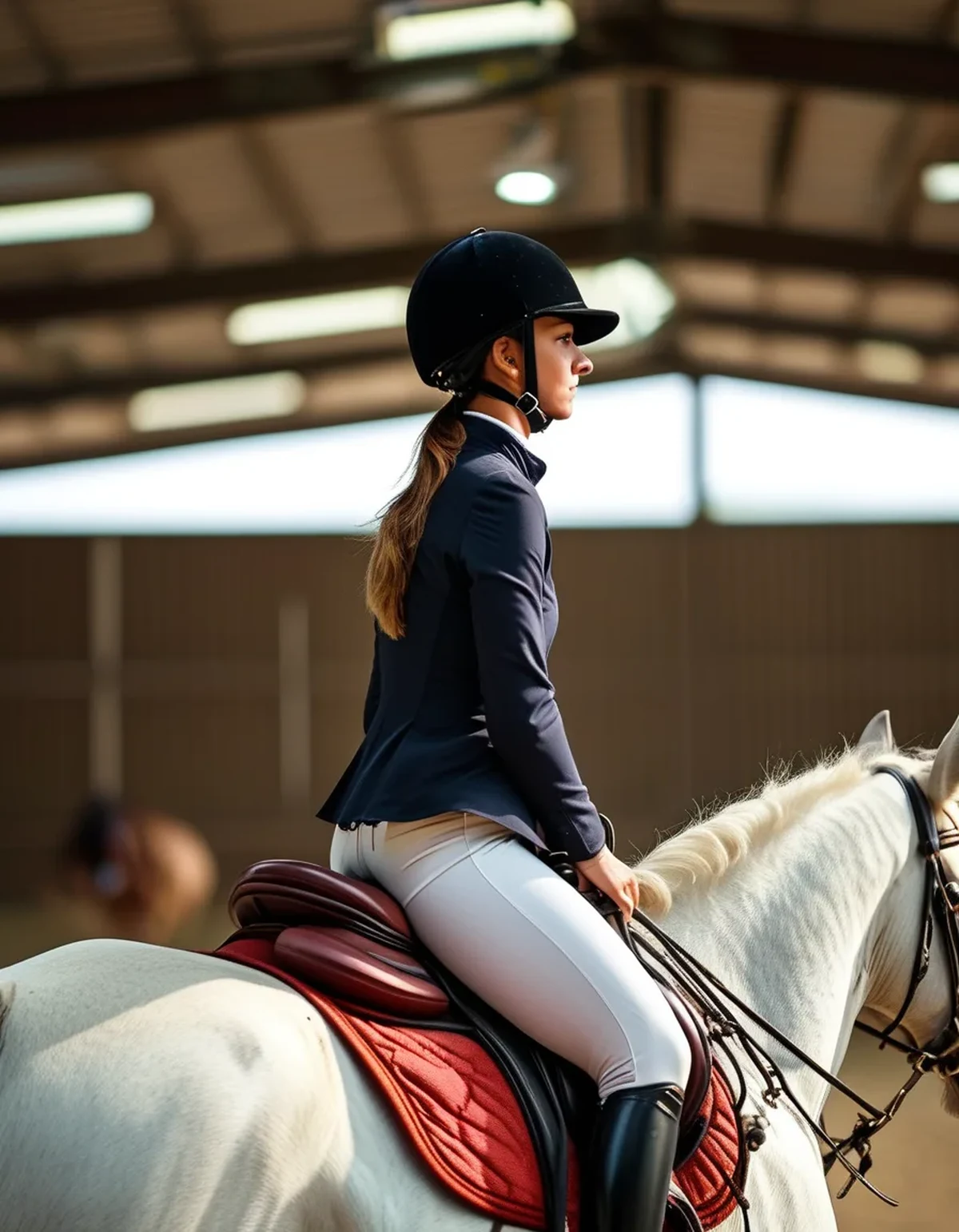
4. Relying on the reins for balance
Using the reins to steady yourself, especially at faster gaits, sends unintended signals to the horse’s mouth and can cause confusion or discomfort — balance should come from the seat and core, with the reins reserved for actual steering and communication.
5. Ignoring seat position and posture
A collapsed or overly rigid seat changes how weight distributes through the saddle, affecting the horse’s ability to move comfortably underneath you — an upright but relaxed seat, following the horse’s motion rather than resisting it, takes deliberate practice most new riders don’t realize they need.
6. Holding your breath during nervous moments, and skipping groundwork understanding
Breath-holding during moments of nervousness increases physical tension exactly when relaxation matters most — conscious, steady breathing helps both rider and horse stay calmer. Separately, riders who understand basic groundwork and horse behavior (not just mounted skills) tend to read their horse’s cues faster and build trust sooner than those who only focus on the ride itself.
FAQ: Beginner Riding Lesson Mistakes, Answered
How many lessons before these habits typically improve?
Most new riders see noticeable improvement in body tension and hand position within 8-10 lessons of consistent instructor feedback.
Is nervousness around these mistakes normal for adult beginners specifically?
Very normal — adult beginners often carry more self-consciousness and physical tension than child beginners, which can slow the unlearning of these habits slightly, but it’s a difference in pace, not ability.
Should I practice anything off the horse to help with these mistakes?
Yes — core stability exercises and general body awareness work (like yoga or Pilates) can meaningfully support the balance and relaxation skills riding lessons are trying to build.
TL;DR:
- Stability comes from leg and seat contact, not gripping with hands and reins
- Relaxed arms and legs with an engaged core absorb motion better than full-body tension
- Looking ahead rather than down improves both balance and horse communication
- Understanding basic groundwork alongside mounted skills builds trust and awareness faster
Keep Reading
This article is for general informational and styling purposes only. Fit, sizing, and product availability may vary.